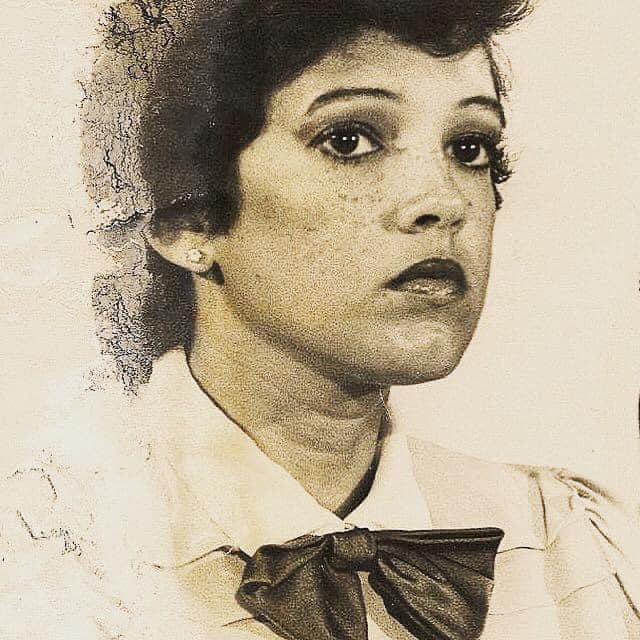
Hoy, más que nunca, recuerdo a quien me enseño a luchar.
Esta memoria es del día cuando Mami testificó en las vistas del Cerro Maravilla.
Nunca calló ante la injusticia. Siempre dijo la verdad ante el poder. Nunca claudicó.
Cueste lo que cueste.
Hoy, más que nunca, recuerdo a quien me enseño a luchar.
Esta memoria es del día cuando Mami testificó en las vistas del Cerro Maravilla.
Nunca calló ante la injusticia. Siempre dijo la verdad ante el poder. Nunca claudicó.
Cueste lo que cueste.
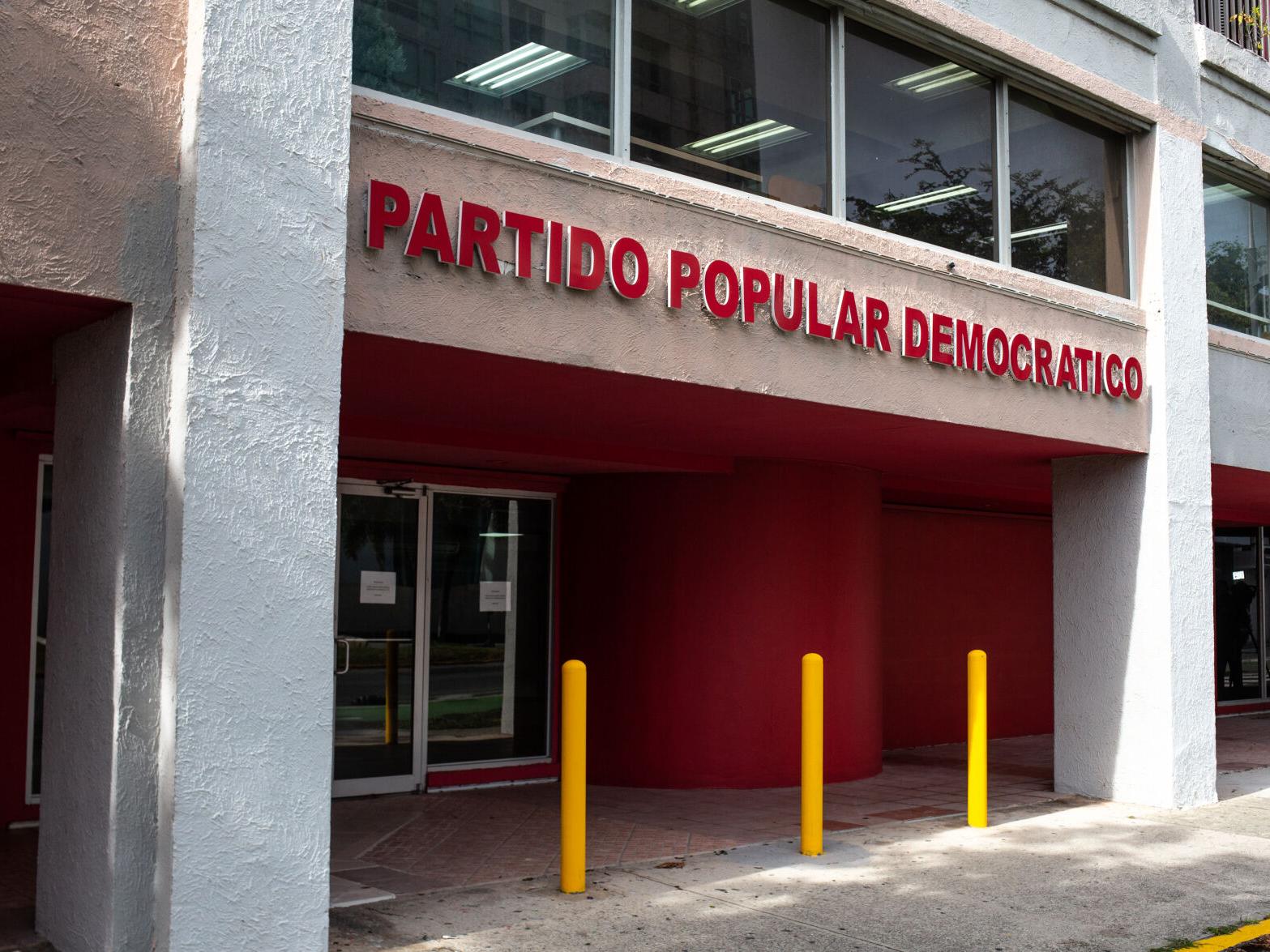
El activista de derechos humanos Pedro Julio Serrano exigió a los líderes del Partido Popular Democrático (PPD) que se expresen sobre la homofobia de la Primera Dama de Ponce y la defensa cómplice del Alcalde respaldando sus posturas.
Tras despachar someramente las expresiones homofóbicas de su esposa, Miyady Velázquez Pagán, el Alcalde de Ponce, Luis Irizarry Pabón, dijo «no somos homofóbicos, amamos a cada ser humano. No necesariamente apoyamos una conducta, pero nosotros amamos al ser humano que Dios ha creado».
«Alcalde, el pecado no es la homosexualidad, el pecado es la homofobia. Ser quien uno es y amar a quien se ama jamás pueden ser pecados. Discriminar, violentar y atentar contra la dignidad de las personas LGBTQ+ sí lo son», sentenció Serrano.
«En su respuesta, Alcalde, no hay disculpa. No hay propósito de enmienda. No hace referencia al daño que esas expresiones causan. No hablan del discrimen que eso conlleva. Nada. Palabras huecas y trilladas, llenas de condena y fundamentalismo. Queremos acción. Que el Municipio de Ponce haga una política pública, por escrito y por ordenanza municipal —con la firma del alcalde— que no se discriminará por orientación sexual ni identidad de género. Eso sería lo que corresponde, no palabras que se las lleva el viento y mucho menos palabras que catalogan a la homosexualidad como conducta.», aseveró Serrano.
El portavoz de Puerto Rico Para Todes, además, condenó el silencio cómplice de los líderes del PPD ante esta homofobia en el Municipio de Ponce.
«No tan sólo han permanecido en silencio sin condenar las expresiones homofóbicas de la Primera Dama de Ponce, sino que tampoco denuncian las expresiones del Alcalde que señalan que la homosexualidad es una conducta con un lenguaje de ‘amar al pecador y no al pecado’. Como si fuera poco, quedan silentes ante el posible discrimen al cantante abiertamente gay José Alfredo, a quien se le negó la participación en un evento en Ponce. Esto es inaceptable, sobre todo de parte de aquellos que aspiran a dirigir ese partido», concluyó Serrano.
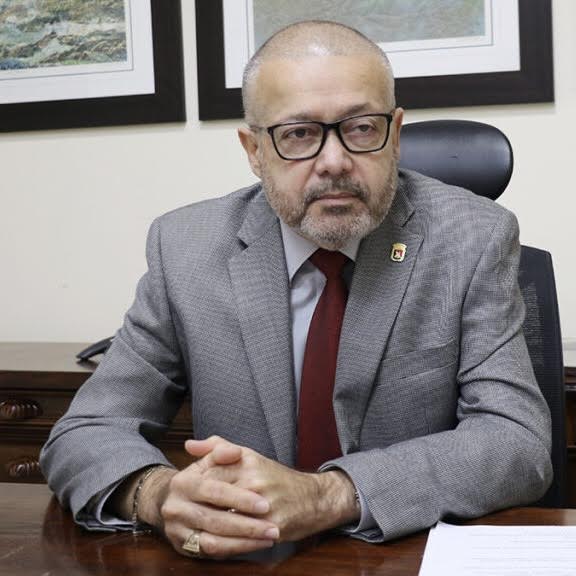
Pedro Julio Serrano
Activista de derechos humanos
Columna en El Nuevo Día
En Puerto Rico existe una política pública, legislada, en contra del discrimen por orientación sexual e identidad de género para proteger a las personas LGBTQ+ de ser excluidas, prejuiciadas y violentadas.
De hecho, nuestra sociedad ha avanzado tanto en materia de derechos humanos que son más escasas las expresiones públicas homofóbicas.
Sin embargo, en días recientes, la doctora Miyadi Velázquez Pagán, primera dama de Ponce, hizo unas expresiones homofóbicas en un podcast religioso.
La doctora Velázquez Pagán catalogó a las personas LGBTQ+ como “personas confundidas, limitadas, atadas, dolidas, heridas, que escogieron ese método de la homosexualidad porque fueron violadas, abusadas, ultrajadas a muy temprana edad”.
Estas expresiones —homofóbicas, incendiarias y contrarias a los cánones de ética que rigen a los profesionales de la conducta humana— laceran a las personas LGBTQ+ que viven en Ponce y en todo Puerto Rico.
Por expresiones como éstas es que ocurren crímenes de odio, se discrimina, se excluye y se violenta a la gente LGBTQ+.
Repudio vehementemente estas expresiones homofóbicas, antiéticas e inhumanas que lastiman, hieren y abusan a las personas LGBTQ+.
Como si fuera poco, una productora denunció que Velázquez Pagán intentó cancelar un endoso para una actividad —en noviembre de 2021 que se celebraba mensualmente en las escalinatas del Teatro La Perla— porque se presentaría un cantante abiertamente gay.
Lamentablemente, la respuesta del alcalde Luis Irizarry Pabón es inaceptable. Se distanció someramente, pero avaló la postura de la Primera Dama al no rechazarla categóricamente.
Al sol de hoy, no hay disculpa. No hay propósito de enmienda. No se menciona la comunidad LGBTQ+, ni orientación sexual, ni identidad de género en sus expresiones. No hacen referencia al daño que esas expresiones homofóbicas causan. No hablan del discrimen que eso conlleva. Nada.
Son solo palabras, puras palabras. Queremos acción. Que el Municipio de Ponce haga una política pública, por escrito y por ordenanza municipal —con la firma del alcalde— de que no se discriminará por orientación sexual, ni identidad de género en el Municipio de Ponce. Eso sería lo que corresponde, no palabras que se las lleva el viento.
Ponce nos pertenece a todes, incluyendo a las personas LGBTQ+ que nacimos o vivimos allí. No vamos a permitir que discriminen, violenten o atenten contra nuestra dignidad humana.
Ponce no es Ponce si se excluye o discrimina. Ponce será Ponce cuando sea para todes.
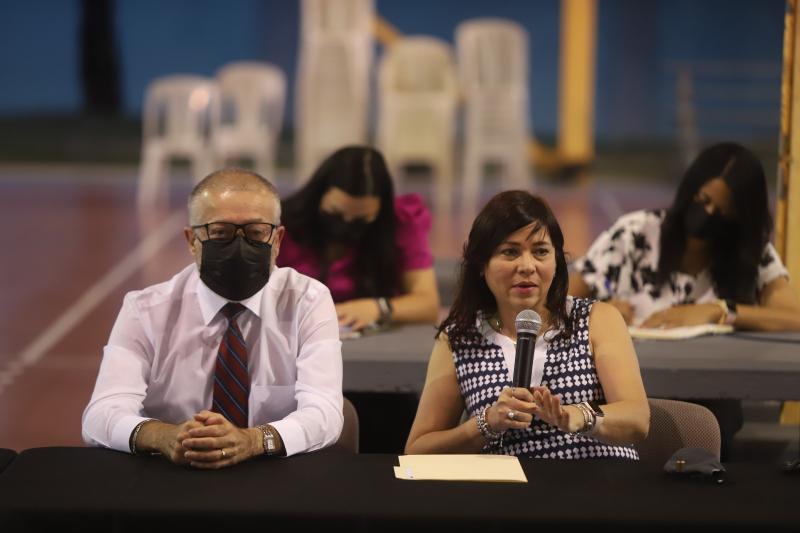
El activista de derechos humanos Pedro Julio Serrano denunció, hoy, unas expresiones homofóbicas de la doctora Miyady Velázquez Pagán, primera dama de Ponce, realizadas en un podcast el pasado fin de semana, así como posibles acciones discriminatorias contra un cantante abiertamente gay.
Serrano tronó contra Velázquez Pagán por catalogar —en entrevista con el cura fundamentalista Orlando Lugo— a las personas LGBTQ+ como «personas confundidas, limitadas, atadas, dolidas, heridas que escogieron ese método de la homosexualidad porque fueron violadas, abusadas, ultrajadas a muy temprana edad».
«Estas expresiones —homofóbicas, incendiarias y contrarias a los cánones de ética que rigen a los profesionales de la conducta humana— laceran a las personas LGBTQ+ que viven en Ponce y en todo Puerto Rico. Por expresiones como éstas es que ocurren crímenes de odio, se discrimina, se excluye y se violenta a la gente LGBTQ+. Repudio vehementemente estas expresiones homofóbicas, antiéticas e inhumanas que lastiman, hieren y abusan a las personas LGBTQ+», aseveró Serrano.
El portavoz de Puerto Rico Para Todes señaló, además, que «una productora se comunicó conmigo para denunciar que Velázquez Pagán intentó cancelar un endoso para una actividad —en noviembre de 2021 que se celebraba mensualmente en las escalinatas del Teatro La Perla— porque se presentaría un cantante abiertamente gay».
«Es imperativo que el Municipio de Ponce reaccione a estas expresiones homofóbicas y posibles acciones discriminatorias —contrarias a la ley— por orientación sexual e identidad de género bajo la administración del Alcalde Luis Irizarry Pabón. Ponce nos pertenece a todes, incluyendo a las personas LGBTQ+ que nacimos o vivimos allí. No vamos a permitir que discriminen, violenten o atenten contra nuestra dignidad humana», concluyó Serrano.
La entrevista completa donde se hacen estas expresiones homofóbicas puede verse en este enlace: https://www.youtube.com/watch?v=-f1qEWlWS78.
Pedro Julio Serrano | Activista
Columna | El Nuevo Día
Ser la primera siempre es trascendental cuando se trata de la visibilidad, representatividad y dignidad de una comunidad históricamente excluída.
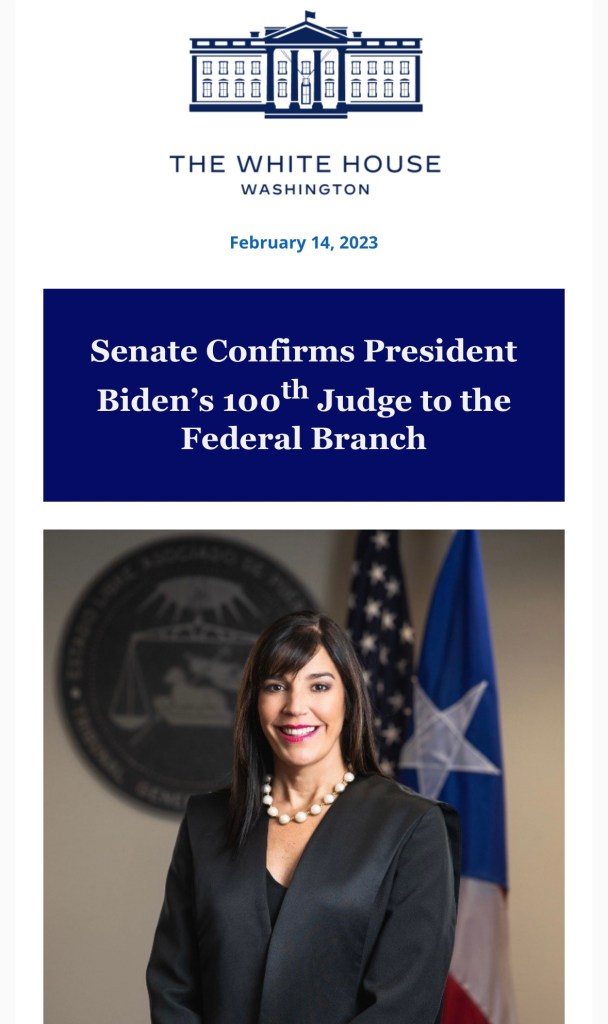
Gina Méndez Miró ha hecho historia —por derecho propio— al ser la primera persona abiertamente LGBTQ+ en ser nominada, por el Presidente de Estados Unidos Joe Biden, y confirmada, por el Senado estadounidense en votación bipartidista, a una posición en el tribunal federal en Puerto Rico.
Su trayectoria es extraordinaria. Sus credenciales impecables. Su ética judicial y su temperamento son incuestionables. Su calidad humana es su mejor virtud.
Su paso por la Legislatura —como jefa de personal del Senado de Puerto Rico— abrió camino para lograr la legislación más importante alcanzada, hasta ahora, en favor de los derechos para las personas LGBTQ+.
Su nominación como Jueza de Apelaciones de Puerto Rico, en 2016, fue aprobada unanimemente en una Legislatura irremediablemente dividida.
Hoy y mañana, niñes y jóvenes LGBTQ+ mirarán a la Jueza Méndez Miró y sabrán que podrán aspirar a ser lo que quieran ser.
Su confirmación histórica es esperanzadora.
Aún cuando tengo amplias reservas —por ser independentista— del rol del tribunal federal en Puerto Rico como consecuencia de la colonia, las cortes deben de reflejar la diversidad de la sociedad en la que vivimos.
Nunca antes en ese tribunal federal ha habido una jueza abiertamente LGBTQ+. Eso es un hito que debe de ser celebrado. Nunca hubiera imaginado este hito posible. Nunca nada es posible hasta que se logra.
Eso sin contar que la Jueza Méndez Miró se convirtió en la jueza #100 en ser nominada y confirmada —por esta administración progresista de Biden— que busca revertir el daño que Trump hizo en las cortes federales con sus nombramientos radicales.
Hemos adelantado mucho en materia de derechos para las personas LGBTQ+, pero aún falta mucho más por lograr para erradicar la homofobia, lesbofobia, bifobia y transfobia de nuestra sociedad. Las cortes pueden ayudar a impartir justicia a comunidades vulnerabilizadas.
Pasos históricos de la Jueza Méndez Miró marcan un precedente esperanzador para nuestra gente. Que cada persona pueda soñar ser lo que siempre ha querido ser. Que pueda amar libremente, que pueda expresar su identidad libremente, que pueda presidir un tribunal libremente.
Su confirmación nos confirma —valga la redundancia— que todo es posible si se es fiel a quien una es, si se cuenta con la dignidad de amar libremente y si se lucha por la justicia para todes.

El activista de derechos humanos Pedro Julio Serrano celebró la confirmación, por parte del Senado de Estados Unidos, de Gina Méndez Miró como jueza federal para el distrito de Puerto Rico por ser la primera persona abiertamente LGBTQ+ en ser nominada y confirmada para dicha posición.
«Hoy hace historia Gina Méndez Miró al ser la primera persona abiertamente LGBTQ+ en ser nominada y confirmada para una posición de jueza en la corte federal en Puerto Rico. Agradezco al Presidente de Estados Unidos, Joe Biden, por nominarla y al Senado estadounidense por confirmarla. Sé que se desempeñará con el mayor sentido de justicia y dignidad», aseveró Serrano.
El portavoz de Puerto Rico Para Todes resaltó las cualidades humanas y profesionales de Méndez Miró, así como su trayectoria en defensa de los derechos humanos y civiles que están garantizados por las Constituciones de Puerto Rico y de Estados Unidos. Además de que celebró el hecho, también histórico, de que Méndez Miró se convirtió en la jueza #100 en ser nominada por el Presidente Biden y confirmada por el Senado de EEUU.
«La jueza Méndez Miró es una jurista de primer orden, con absoluta sensibilidad, profunda empatía y gran sentido de justicia. Puerto Rico debe de sentirse muy orgulloso de su trayectoria y de su desempeño, así como sé que lo seguirá haciendo desde esta nueva posición que está próxima a ocupar», concluyó Serrano.

Mucha gente me pregunta que donde estoy.
La respuesta ese sencilla: donde siempre — en pie de lucha.
Con los años, las estrategias y las tácticas cambian.
Al principio —y por mucho tiempo— era necesaria la visibilidad, la combatividad, la militancia.
Se abrieron caminos y puertas que parecían cerradas. Se tocaron corazones. Se abrieron mentes. Se construyó una zapata.
Ya hay cambios que se ven y se sienten.
Ahora toca —con el peso del esfuerzo y las conquistas— empujar desde otros frentes para sostener y ampliar lo luchado, lo conseguido, lo ganado.
Es hora de construir estructuras y proyectos permanentes que abonen a un sistema más justo, más equitativo, más liberador.
De vez en cuando, hay que alzar la voz, tirarse a la calle, volver al frente —porque el odio no descansa.
Pero, también hay que recuperarse, sanar y reflexionar.
Le he dedicado mi vida a esta lucha —tanto así que mi vida es lucha y la lucha es mi vida. He servido —queriendo y no queriendo— de pararrayos, cogiendo cantazos a diestra y siniestra.
Estoy magulla’o, tengo las cicatrices a flor de piel, mi alma lo siente.
Pero también estoy satisfecho, orgulloso y honrado.
Doy gracias a la vida, a ustedes mi gente y a mi familia de amistades y biológica por permitirme estar donde siempre me ha gustado estar: en pie de lucha.
Sigo aquí, no me he ido, ni me iré. Muero con las botas puestas, pero desde un lugar que me permita restaurarme, escudarme y sobre todo, amarme a mi primero, que toda la vida la he dedicado a luchar.
Seguimos…

By Michael K. Lavers and Andrés I. Jové Rodríguez
Washington Blade
Activists around the world say Pope Francis’ comments against criminalization laws are a milestone for the global LGBTQ and intersex rights movement.
Toni Reis, president of Aliança Nacional LGBTI+, a Brazilian LGBTQ and intersex advocacy group, told the Washington Blade that Francis’ comments are “a message that needs to be assimilated by at least 70 countries that still criminalize homosexuality in some way, including 11 countries in which the death penalty can be applied.”
Reis and his husband, David Harrad, in 2017 baptized their three adopted children at a Catholic cathedral in Curitiba, a city in southern Brazil. Reis later received a letter on official Vatican letterhead that said Francis “wishes you happiness, invoking for your family the abudance of divine graces in order to live steadfastly and faithfully as good children of God and of the church.”
“We are unable to find in the recorded words of Jesus Christ, on whom the Christian faith is founded, any reference to homosexuality as a sin,” Reis told the Blade. “There is no longer room for deliberately decontextualized interpretations of the Old Testament and the books of certain Apostles in this sense.”
Francis during an exclusive interview with the Associated Press on Jan. 24 described criminalization laws as “unjust” and said “being homosexual is not a crime.”
The pontiff acknowledged some Catholic bishops support criminalization laws and other statutes that discriminate against LGBTQ and intersex people. Francis told the Associated Press that cultural backgrounds contribute to these attitudes, and added “bishops in particular need to undergo a process of change to recognize the dignity of everyone.”
Chantale Wong, the U.S. director of the Asian Development Bank who was born in Shanghai, is the first openly lesbian American ambassador.
Wong’s aunt and uncle enrolled her in a Catholic bording school in Macau, which at the time was a Portuguese colony, after she fled China with her grandmother in 1960. Wong was baptized and given the name Chantale after St. Jane Frances de Chantale.
She later attended an all-girls Catholic high school in Guam.
“He is definitely my pope,” tweeted Wong on Jan. 25.
Luxembourg Prime Minister Xavier Bettel, who is openly gay, in a tweet thanked Francis “for your strong and clear words against the criminalization of LGBTIQ+ persons in the world.” Victor Madrigal-Borloz, the independent U.N. expert on LGBTQ and intersex issues who traveled to Cambodia last month, echoed Bettel.
“Criminalization based on sexual orientation is contrary to international human rights law,” tweeted Madrigal-Borloz on Jan. 25. “I welcome this recognition by (the pope.)”
The Vatican’s tone towards LGBTQ and intersex issues has softened since Francis assumed the papacy in 2013.
Francis — who vehemently opposed a marriage equality bill in his native Argentina before then-President Cristina Fernández de Kirchner signed it into law in 2010 — a decade later publicly backed civil unions for same-sex couples.
The pontiff in 2013 said gay men and lesbians should not be marginalized.
Francis in 2016 later said the Roman Catholic Church should “ask forgiveness” from gay people over the way it has treated them. The pontiff in 2017 compared politicians who use hate speech against LGBTQ and intersex people and other minority groups to Adolf Hitler.
The Vatican in 2020 gave money to a group of transgender sex workers in Italy who were struggling to survive during the coronavirus pandemic. Francis in 2021 named Juan Carlos Cruz, a gay Chilean man who is a survivor of clergy sex abuse, to a commission that advises him on protecting children from pedophile priests.
Francis last year during several of his weekly papal audiences met with trans people who were living at a Rome church.
Church teachings on homosexuality and gender identity remain unchanged despite these overtures.
Francis during the Associated Press interview referred to LGBTQ and intersex issues within the context of “sin.” The pontiff later sought to clarify the comment.
“When I said it is a sin, I was simply referring to Catholic moral teaching, which says that every sexual act outside of marriage is a sin,” wrote Francis in a handwritten letter he sent to the Rev. James Martin, editor of Outreach, a website for LGBTQ and intersex Catholics, on Jan. 27.
Pedro Julio Serrano, founder of Puerto Rico Para Todes, a Puerto Rican LGBTQ and intersex rights group, during an interview with the Blade acknowledged Francis “is giving a message that criminalization of the LGBTQ+ community must be fought.” Serrano added, however, the pontiff’s comments do not change church teachings.
“There is no change in dogma, there is no change in doctrine and nothing has changed in the catechism of the Catholic Church. Everything remains the same,” Serrano told the Blade. “As long as all that remains the same, there is no change.”
Serrano further stressed Francis’ categorization of homosexuality as a “sin” is paradoxical.
“Homophobia: That is the real sin,” said Serrano.
Frank Mugisha, executive director of Sexual Minorities Uganda, a Ugandan LGBTQ and intersex rights group, on Tuesday noted to the Blade that he is Catholic.
Uganda is among the dozens of countries in which consensual same-sex sexual relations remain criminalized.
Singapore, Barbados, St. Kitts and Nevis, Antigua and Barbuda, Botswana, Bhutan and India have decriminalized homosexuality in recent years.
Mugisha said Sexual Minorities Uganda welcomes Francis’ statement, which he made ahead of his trip to Congo and South Sudan. (Consensual same-sex sexual activity is legal in Congo, while South Sudan continues to criminalize it.)
“Being Catholic, I know the Catholic Church will respect the pope’s views and I hope the church in Africa starts working with us towards discrimination of homosexuality,” Mugisha told the Blade.
ILGA World Co-Secretaries General Luz Elena Aranda and Tuisina Ymania Brown in response to Francis’ comments said “such a simple statement has now the potential to initiate a much-needed change and will provide relief to millions of persons in our communities across the world.” ILGA World Executive Director Julia Ehrt, like Serrano, said Vatican doctrine towards LGBTQ and intersex people needs to change if the pontiff’s position against criminalization laws will have any meaningful impact.
“We urge the Holy See to turn these words into concrete action,” said Ehrt. “The Catholic Church and its institutions can and should play an active role in supporting decriminalization efforts across the world and within the United Nations and multilateral fora, where demands to scrap these profoundly wrong laws have long been reiterated.”
Outright International, a New York-based global LGBTQ and intersex rights group, in its response to Francis’ comments also noted church teachings.
“We welcome Pope Francis’ message of inclusion and acceptance,” said Outright International in a statement to the Blade. “Discrimination, persecution and marginalization are common experiences for LGBTIQ individuals and communities around the world. In some countries, many are subjected to conversion practices and its lifelong physical and emotional damages, which are often performed and sanctioned in the name of church teachings.”
“Religious leaders have a storied history of perpetuating misconceptions about same-sex relations, promoting them as threats to society. As such, LGBTIQ people are subject to violent attacks, harassment and social stigmatization. The church’s actions have also influenced efforts to oppose the advancement of human rights for LGBTIQ people,” added Outright International. “Our hope is that the pope’s statement will foster respect, dignity and conversations that will lead to change in attitudes and lasting legal protections in this arduous journey for full equality.”
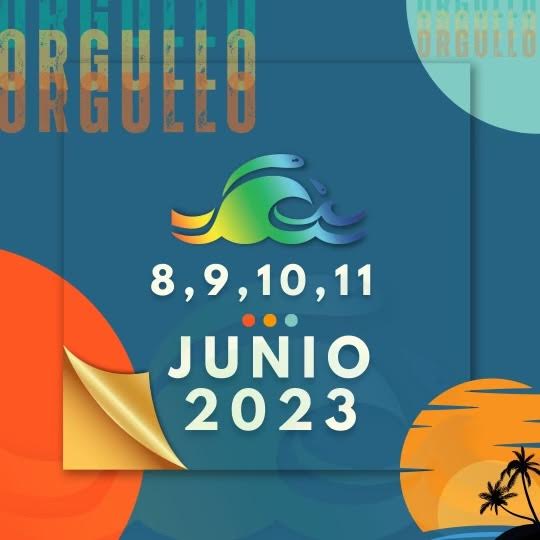
Los organizadores de Orgullo Boquerón, el Festival de Orgullo LGBTQ+ del Oeste, anunciaron que el tradicional evento y desfile celebrará su vigésimo aniversario del jueves 8 al domingo 11 de junio de este año.
«Estamos de celebración al cumplir veinte años del mejor y más grande evento LGBTQ+ de Puerto Rico y del Caribe. Este año tiraremos la casa por la ventana, ya que lo que comenzó como un acto de cientos de personas ya se ha convertido en un evento de clase mundial que atrae a decenas de miles. Por ser nuestro vigésimo aniversario, añadiremos un día adicional comenzando las festividades desde el jueves 8 de junio. Les esperamos a todes del 8 al 11 de junio en el Poblado de Boquerón en Cabo Rojo», aseveró Pedro Julio Serrano, portavoz de Orgullo Boquerón.
Orgullo Boquerón es producido por Mújica Group. El evento cuenta con el endoso del Municipio Autónomo de Cabo Rojo, su alcalde, Jorge Morales Wiscovitch, y la vicealcaldesa, Ivette Rodríguez. Al igual que cuenta con el apoyo de la Asociación de Comerciantes de Boquerón.
«Próximamente estaremos anunciando a los demás artistas y eventos que se presentarán durante el fin de semana del jueves 8 al domingo 11 de junio, pero como siempre será un evento de altura, de lucha y de celebración de nuestras comunidades LGBTQ+. Les esperamos en Orgullo Boquerón”, concluyó Serrano.
Para más información, pueden seguir a Orgullo Boquerón a través de sus redes sociales. Nos consiguen como @BoqueronOrgullo en Facebook, Instagram, Twitter, TikTok y Snapchat.
By Arianna Marsh | Harper’s Bazaar
In 1998, Pedro Julio Serrano became the first openly LGBTQ+ and HIV-positive person to run for elected office in Puerto Rico. Vying for a seat in the United States territory’s House of Representatives, he was ultimately forced to run as an independent due to homophobia within his party. “Later, I withdrew my candidacy, because I received death threats,” says Serrano, a longtime human rights activist who now works as the director of public affairs at Waves Ahead, a nonprofit that provides aid to Puerto Rico’s most vulnerable communities. “The brake cables on my car were cut. Someone graffitied the door of my apartment. It made me move to New York City in the United States, because I didn’t feel safe.”
While much has been achieved over the past 25-plus years when it comes to quashing sex-based discrimination, the HIV epidemic—and the stigmas surrounding it—continue to disproportionally touch minority and disenfranchised groups including queer Latinx communities. According to a report by the Centers for Disease Control and Prevention, in 2019, Hispanic/Latino people made up 29 percent of the new HIV diagnoses in the United States and dependent areas, despite making up only 19 percent of the population overall. What’s more, cultural factors like the valuation of machismo prevent individuals from disclosing their sexuality and HIV status, and seeking testing, treatment, and support.
In an attempt to speak directly to Latinx communities, ViiV Healthcare, the only pharmaceutical company solely focused on HIV prevention, teamed up with entertainment studio Harley & Co. on a new podcast that not only provides information surrounding testing and treatment options—including where to obtain PrEP, a widely available medication that, when taken correctly, can help prevent contracting HIV—but also crucially aims to generate empathy and acceptance from those not directly affected by the virus.
“When you see yourself portrayed in a podcast, a program, or a show, it tells you that you matter, that your life matters, and that your story matters.”
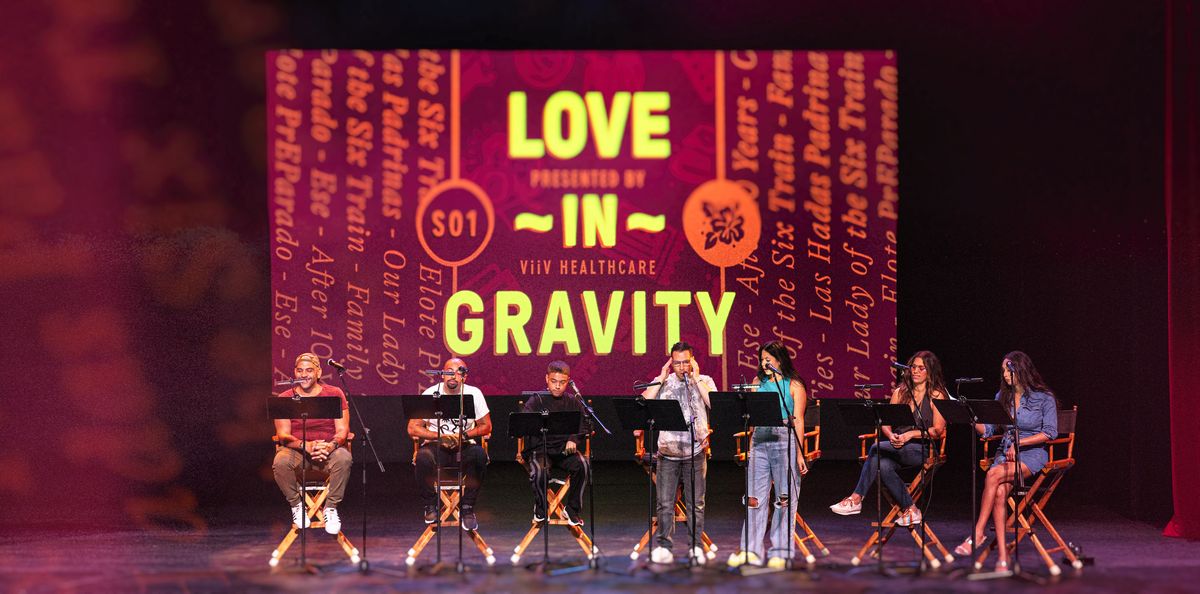
Titled Love in Gravity, the scripted series includes six fictional stories from gay, bisexual, and queer Latinx and Afro-Latinx writers that feature characters living with HIV. Thoughtful and nuanced, each portrait aims to represent individuals and narratives typically left out of mainstream media, and spark conversations about HIV that might otherwise feel uncomfortable to those living with it, and their family and friends.
In one episode, tensions rise when soft-spoken Michel brings his first boyfriend home to a Mexican family reunion; in another, a man named Andres is forced to discuss his open relationship with his mother when she discovers his PrEP. “When you see yourself portrayed in a podcast, a program, or a show, it tells you that you matter, that your life matters, and that your story matters,” says Serrano, who in 2003 founded Puerto Rico Para Todes, a nonprofit LGBTTIQ+ and social justice advocacy organization. “This podcast also helps educate a broad array of people that might not have ever interacted with someone who’s openly living with HIV.”
Adds Sarah Hall, the podcast’s executive producer, “It really feels like the work of this moment is to find ourselves in each other, and stories are one of our most powerful tools for doing that. They are the doors and the windows into experience, they help us to cultivate solidarity, they make the unknown into something familiar, and all of that helps us to see ourselves and each other differently.”
Among the show’s impressive roster of collaborators is writer John Paul Brammer, who pens the queer advice column ¡Hola Papi! and is the author of the memoir ¡Hola Papi! How to Come Out in a Walmart Parking Lot and Other Life Lessons; Glee’s Kevin McHale; and Robin de Jesús, a three-time Tony-winning actor, best known for his Broadway roles in In the Heights, La Cage aux Folles, and Rent, as well as for his part in Lin-Manuel Miranda’s 2021 musical drama film, tick, tick… BOOM! “The podcast is such a great tool, because it’s entertainment but also serves a very specific community need,” de Jesús says.
In October, de Jesús and other Love in Gravity cast members performed select episodes live at the United States Conference on HIV/AIDS as one of ViiV’s many cultural initiatives developed to speak to communities disproportionately affected by HIV. Held in San Juan, the event aimed to highlight the impact of HIV in Latinx communities specifically, with a focus on Puerto Rico. “What I felt more than anything was pride,” de Jesús, who is of Puerto Rican descent, says. “There’s something different about performing for people face-to-face; ViiV recognizes the importance of community engagement.”
While new HIV diagnoses are decreasing in Puerto Rico, ViiV reports that nearly one quarter of newly diagnosed people meet the criteria for an AIDS diagnosis. (AIDS is the late stage of HIV infection that occurs when the body’s immune system is badly damaged because of the virus.) What’s more, the territory has the worst PrEP-to-need ratio in the United States, meaning viral suppressant therapies are not reaching those in need of treatment. While a lack of funding, government prioritization—as a United States territory, Puerto Rico does not have voting representation in American Congress—and a decentralized and understaffed health care system are partly to blame, the role of recurring natural disasters is also paramount.
According to research conducted by the Columbia University Mailman School of Public Health, viral suppression decreased from 71 percent to 65 percent as a result of the impacts of Hurricane Maria in 2017, including transportation barriers, loss of electricity, the destruction of medical facilities, and a lack of basic supplies. Access to care was also reduced by 22 percent. Over the last four years alone, Puerto Rico has also experienced a string of deadly earthquakes, the COVID-19 pandemic, the monkeypox outbreak, and, most recently, Hurricane Fiona. “Crisis after crisis only compounds the problem and doesn’t allow for people to make sure that they can access the services and make sure that they maintain their suppression,” Serrano says.
When it comes to supporting Puerto Rico, both Serrano and de Jesús stress how important solidarity and investment is. “Americans need to invest in Puerto Rico and understand our goals, aspirations, and our history in order to make sure they do it correctly,” says Serrano, emphasizing the importance of support from Puerto Ricans living Stateside. “And it cannot just be when tragedy strikes,” he continues. “We do great things with little resources and with our hands tied behind our backs. For example, there are a lot of states that do not have a bill of rights for people living with HIV, but Puerto Rico does. If America starts looking at us, it might learn something.”
“It really feels like the work of this moment is to find ourselves in each other, and stories are one of our most powerful tools for doing that.”
“When you’re a colony, you’re consistently framed as the one that’s needing help when in actuality, the U.S. has taken a lot and not given,” de Jesús adds. “The first step towards solidarity is learning more about the history between the U.S. and Puerto Rico, visiting Puerto Rico, being respectful tourists, and providing for the local economies.”
Ultimately, ViiV’s grassroots approach to improving the HIV crisis in Puerto Rico and within other Latinx communities is what sets the company apart from others. As Marc Meachem, ViiV’s head of U.S. external affairs, explains, representation of the diverse communities impacted by HIV is reflected in their culture work, the diversity of their clinical trials, and beyond. For example, Meachem shares that through the organization’s Positive Action for Latinx Men initiative, ViiV is “engaging with local communities across [Puerto Rico] and funding critical work of local organizations to expand their reach.”
“The work they are doing is crucial, because they come to Puerto Rico, they listen to us, they work with us, they hire us,” Serrano says. “They make sure that our voices are heard and that we’re taken care of.”
 Pedro Julio Serrano